
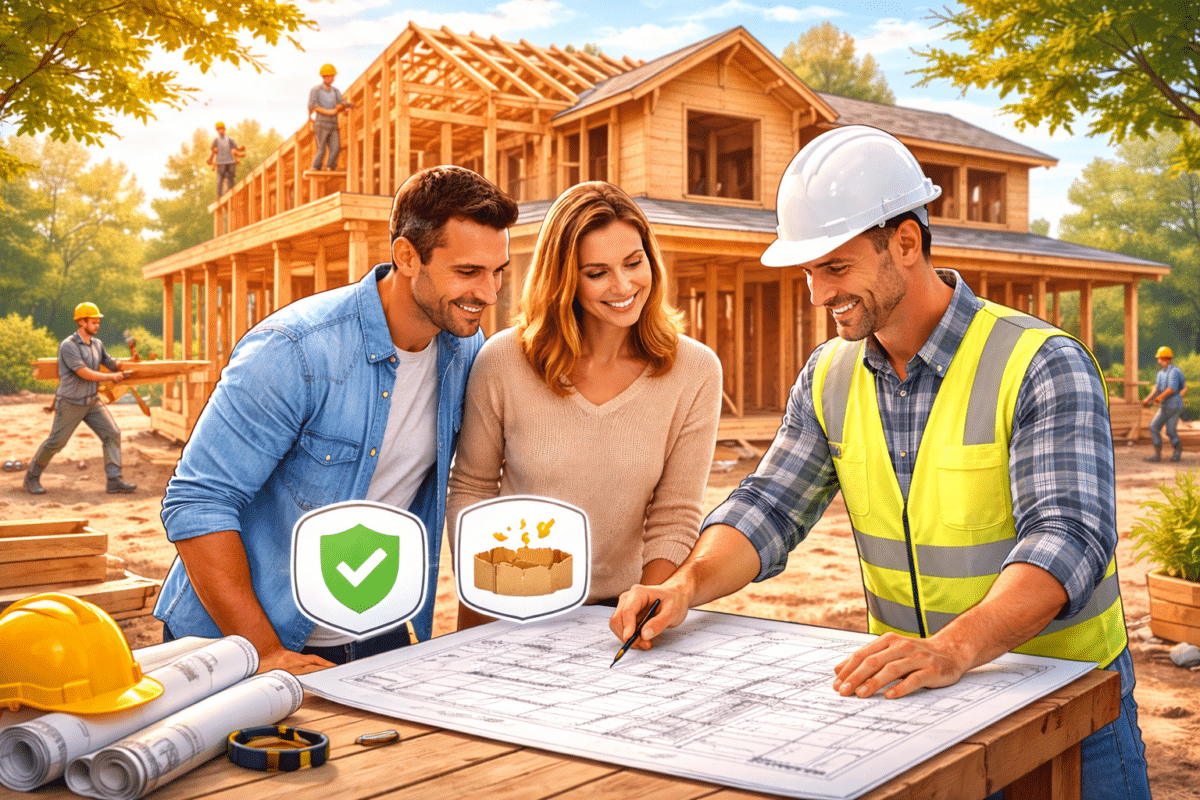
Utah and Idaho are great places to build a home. Many people move to these states because of the open land, the mountain views, and the quieter pace of life. It’s the kind of place where building your own home feels possible.
But before construction starts, there’s an important step that many people don’t think about right away. The ideas for your home have to become real plans that builders can safely follow. That process involves residential engineering.
A home is more than the layout or the exterior design. It also needs a structure that can support the weight of the building, handle local weather conditions, and meet building codes. Residential engineers help make sure all of those things come together correctly. They work with architects and builders so the design can move from paper to a finished home.
What Is Residential Engineering?
Residential engineering focuses on the structural design of houses.
In simple terms, a residential engineer makes sure the house will stand safely and perform well over time. They study how the building connects to the ground, how the weight is supported, and how different structural parts work together.
They also prepare technical plans and review the design to make sure it follows local building codes. These plans guide the builder during construction and help avoid structural problems later.

What Does a Residential Engineer Do?
Residential engineers handle several parts of the design and construction process.
Foundation Design
The foundation is one of the most important parts of a home. It carries the weight of the entire structure.
Before designing the foundation, engineers look at the soil conditions on the property. In Utah and Idaho, soil movement, groundwater levels, and seismic activity can all affect foundation design.
A properly designed foundation helps prevent issues like cracking, shifting, or settling over time.
Structural Design
The structural system forms the skeleton of the house. Engineers design the beams, supports, and load-bearing elements that hold everything together.
They calculate how the building will respond to everyday forces such as gravity, wind, and heavy snow. Snow loads are especially important in many parts of Utah and Idaho.
A strong structural design keeps the home stable during changing weather conditions.
Building Code Compliance
Every community has building codes that guide construction. These rules exist to protect homeowners and ensure safe buildings.
Residential engineers review the design to make sure it follows these requirements. Meeting code standards helps prevent delays during inspections and approvals.
Construction Drawings
Engineers also prepare detailed construction drawings. These drawings include measurements, materials, and structural details.
Contractors rely on these documents throughout the building process. Clear drawings make the job easier for everyone involved.
Construction Review
On some projects, engineers also visit the site while construction is underway. They check that the structure is being built according to the approved plans.
If something looks off, it can be corrected early before it becomes a larger problem.

Why Residential Engineering Matters
Some homeowners assume engineering is just another step in the process. In reality, it plays a big role in how well a home performs over time.
Safety and Peace of Mind
A residential engineer helps ensure that the house is structurally sound. Their work accounts for the climate and environmental conditions of the region.
Knowing the structure has been carefully designed gives homeowners’ confidence in the safety of their home.
A Practical Layout
Structural design can influence how spaces are arranged. Engineers sometimes help make open floor plans possible by designing stronger support systems.
Avoiding Costly Problems
When structural issues appear during construction, fixing them can be expensive. Engineering helps identify potential problems early in the planning stage.
This often saves time and money later.
A Smoother Construction Process
Builders work more efficiently when the plans are clear. Detailed engineering drawings reduce confusion and help keep construction on schedule.
Expert Residential Engineering
Residential Engineering and Sustainable Homes
More homeowners today are interested in homes that use less energy and fewer natural resources. Residential engineering often plays a role in making that possible.
Engineers help design homes that stay comfortable while using energy more efficiently.
Principles of Sustainable Homebuilding
Sustainable homes are usually built around a few key ideas.
Energy Efficiency
Good insulation, efficient heating and cooling systems, and renewable energy sources can reduce how much energy a home uses.
These features also help lower utility costs.
Resource Conservation
Many modern homes include water-saving fixtures and landscaping that uses less water. Some projects also use recycled or reclaimed building materials.
These choices reduce waste and conserve resources.
Indoor Air Quality
Clean indoor air is important for everyday comfort. Proper ventilation and low-emission materials help keep the air inside a home healthier.
Thoughtful Site Planning
Where a home sits on the land can affect drainage, sunlight, and environmental impact. Careful planning helps protect the surrounding area.
How Residential Engineers Support Sustainable Design
Residential engineers help turn these ideas into practical building plans.
Energy-Efficient Design
Engineers often design homes that use natural sunlight and insulation to regulate indoor temperatures.
They may also recommend renewable energy systems such as solar panels.
Water Conservation
Water-efficient plumbing systems and rainwater collection can reduce water use. Engineers help design systems that support these features.
Healthy Indoor Environments
Proper airflow and humidity control help maintain a comfortable indoor space.
Engineers consider these factors when planning mechanical systems.
Environmentally Sensitive Design
Engineers can also help position the home on the property in a way that reduces environmental impact.
Sustainable Building Features
Some homes include additional systems that improve efficiency and sustainability. These might include:
- Passive solar design
- High-performance insulation
- Energy-efficient heating and cooling systems
- Solar panels or geothermal systems
- Water-saving plumbing fixtures
- Rainwater harvesting systems
- Recycled construction materials
- Green roof systems
These features can improve long-term efficiency and reduce environmental impact.
Challenges and Opportunities
Sustainable construction sometimes requires higher upfront costs. However, many homeowners see lower energy and maintenance expenses over time.
Another challenge is awareness. Some homeowners simply aren’t familiar with the available options.
Even so, interest in energy-efficient homes continues to grow. As building technology improves, sustainable design is becoming more common.
Atlas Engineering: Supporting Homes in Utah and Idaho
Atlas Engineering works with homeowners, architects, and builders throughout Utah and Idaho.
Their team focuses on structural safety, clear planning, and practical design solutions. By understanding local conditions, they help guide projects from early design through construction.
Conclusion
Residential engineering services play an important role in building a home that lasts.
A qualified engineer helps ensure the structure is safe, functional, and suited to the conditions of the area. This careful planning helps prevent problems and supports a smoother construction process.
For homeowners in Utah and Idaho, working with experienced professionals can make the path from design to finished home much more reliable.
FAQs
1. Why is a residential engineer needed when building a home?
A residential engineer checks that the structure of the home is safe. They design the foundation and review the load-bearing parts of the house. This work confirms that the building can support its weight and handle local conditions like snow loads and soil movement.
2. What parts of a house does a residential engineer design?
Structural engineers focus on key structural elements such as the foundation, beams, floor framing, and load-bearing walls. These parts support the weight of the home and transfer that load safely into the ground.
3. When should a residential engineer review the home plans?
Most projects bring in an engineer once the basic home design is ready. The engineer studies the plans and prepares structural drawings. Builders then follow those drawings during construction.
4. Can residential engineering help prevent structural problems?
Yes. A clear structural design helps prevent issues like settling foundations or cracked framing. When the engineer reviews the plans early, builders can avoid changes once construction starts.
5. How does a residential engineer work with the builder and architect?
Each person has a clear role. The architect plans the layout and appearance of the home. The residential engineer designs the structural support for that design. The builder follows those plans to construct the house. Working together keeps the project organized and safe.