
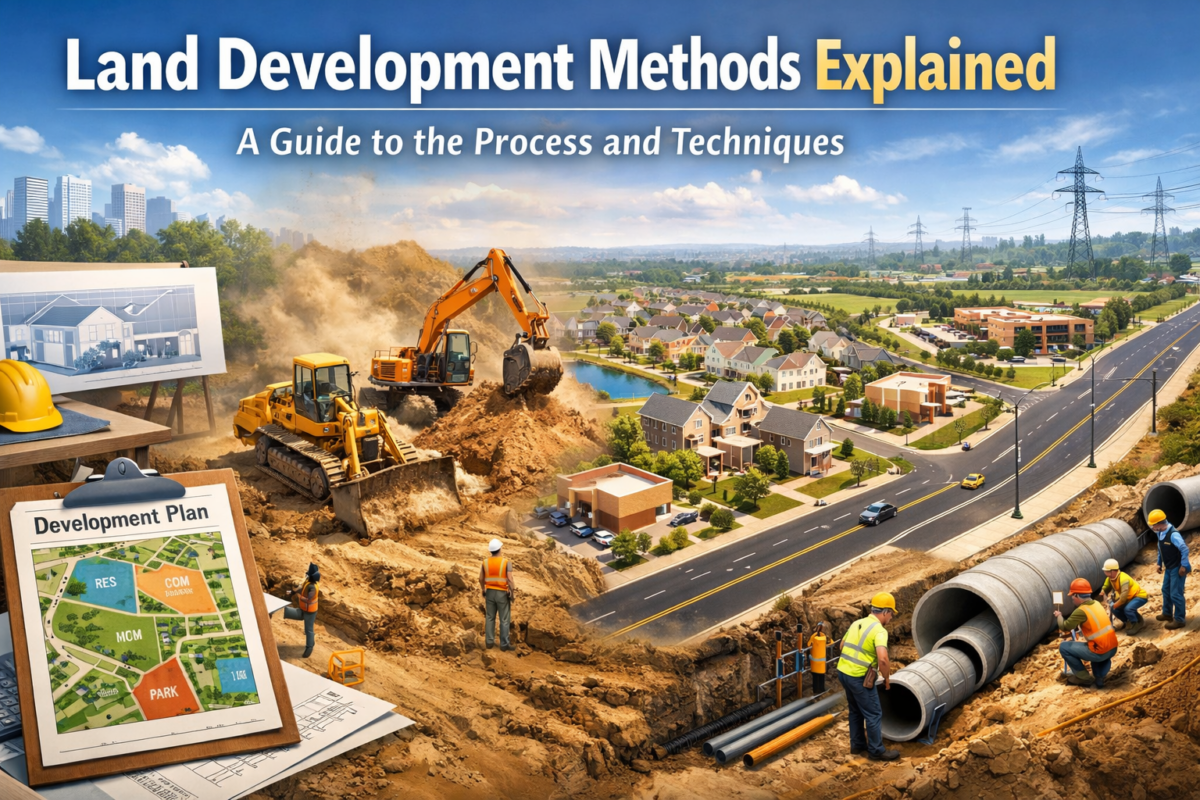
Turning raw land into a residential neighborhood takes time. It’s not quick. It’s not simple. And it rarely goes exactly as planned.
It takes clear planning, steady decision-making, and the right people involved at the right time. Residential engineering Professionals play a big role here. They handle the technical details that keep a project moving forward.
If you own land, plan to invest, or want to build housing, understanding the land development process helps you avoid mistakes. It also helps you know what to expect. This guide breaks down the main land development methods and explains how each step works.
What Is Residential Land Development?
Residential land development means getting land ready for homes. That includes planning roads and lots, setting up utilities, handling drainage, and meeting local and environmental rules.
The goal is simple. Create a safe place where people can live. But the work behind that goal is detailed. Many steps depend on solid engineering services.

Key Steps in the Land Development Process
Here’s how undeveloped land becomes ready for home construction.
1. Initial Site Evaluation
Everything starts with the land itself. This step looks at what the site can handle. It usually includes:
- Zoning rules
- Land slope and shape
- Soil conditions
- Utility access
This review helps catch problems early, before costs add up.
2. Feasibility Study
Next comes the big question. Does this project make sense?
A feasibility study looks at cost, layout, and limits. It answers questions like:
- Can the land be developed within budget?
- What type of housing fits the site?
- What approvals are needed?
This step helps decide whether to move forward or adjust the plan.
3. Planning and Design
Once the site checks out, planning begins. A land development design company prepares layouts for roads, lots, utilities, and drainage.
Residential engineering work is central here. It often includes:
- Stormwater planning
- Water and sewer design
- Grading and drainage plans
Good design at this stage prevents problems later.
4. Permitting and Approvals
Before construction starts, local agencies must approve the plans. This means submitting drawings and permit applications for:
- Land disturbance
- Utility installation
- Environmental protection
Clear plans help keep this stage moving.
5. Construction and Site Development
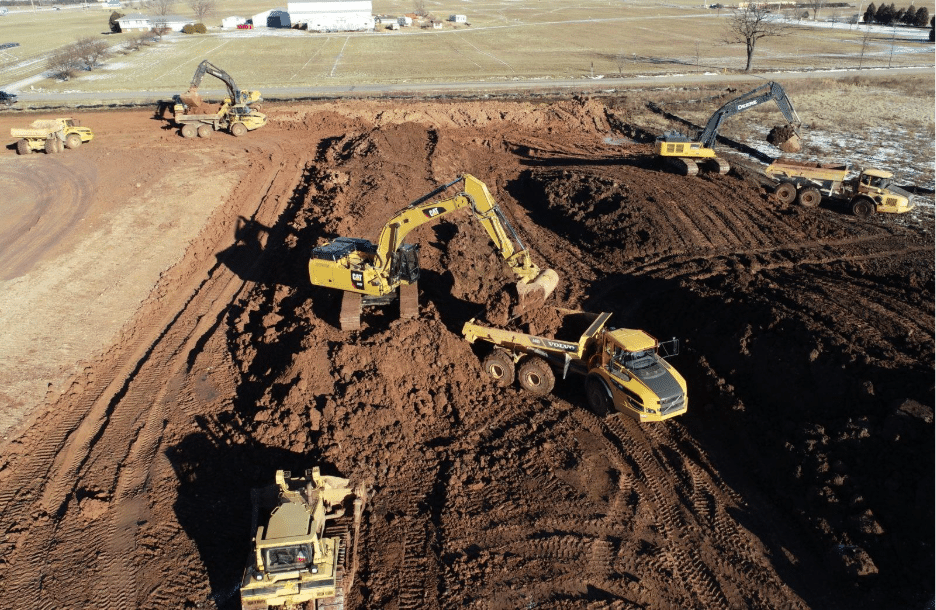
After approval, site work begins. This phase includes:
- Clearing and grading
- Installing roads and utilities
- Preparing lots for homes
Environmental rules still apply during this stage and must be followed closely.
6. Final Inspections and Handover
Once site work is complete, inspectors review the project. If everything meets local standards, the site is approved for home construction.
The Role of Residential Engineering
Residential engineering supports the project from start to finish. Engineers design the systems that make a neighborhood work. Roads. Drainage. Water. Sewer.
Their work helps keep the project functional, compliant, and within budget. A land development design company with strong engineering experience helps keep decisions practical and grounded.
Why Work With a Professional Land Development Design Company?
Land development has many details. Missing one can cause delays or extra costs.
A professional firm that offers land development services can:
- Manage permits and approvals
- Create designs that are practical to build
- Help keep the project moving forward
The right team reduces risk and confusion.
Need Expert Help? Talk to Atlas Engineering
If you’re planning a residential land development project, Atlas Engineering can help guide the process. The team has experience in residential engineering and land development design.
Whether the project is small or large, the focus stays the same. Clear planning. Steady support. Reliable results.
Leading Engineering Services in Utah & Idaho
Frequently Asked Questions (FAQs)
1. What are land development services?
They include site review, planning, engineering design, permitting, and construction support.
2. Why hire a land development design company?
They understand local rules and engineering needs. This helps reduce delays and design issues.
3. What does residential engineering involve?
Residential engineering focuses on roads, drainage, water systems, and sewer systems for housing projects.
4. How long does residential land development take?
Most projects take 6 months to 2 years, depending on size and approvals.
5. What is included in a feasibility study?
Zoning, soil conditions, utilities, land slope, and environmental factors.
6. Does a land development design company handle permits?
Yes. Most firms manage permit applications and agency coordination.
7. What are the main phases of land development?
Site review, feasibility study, planning and design, permitting, construction, and inspections.
8. Can residential engineering reduce costs?
Yes. Good engineering helps avoid rework and delays.
9. What should I look for in a design company?
Experience, local knowledge, and full land development services.
10. Is residential engineering needed for small projects?
Yes. Even small sites need proper planning and code compliance.